

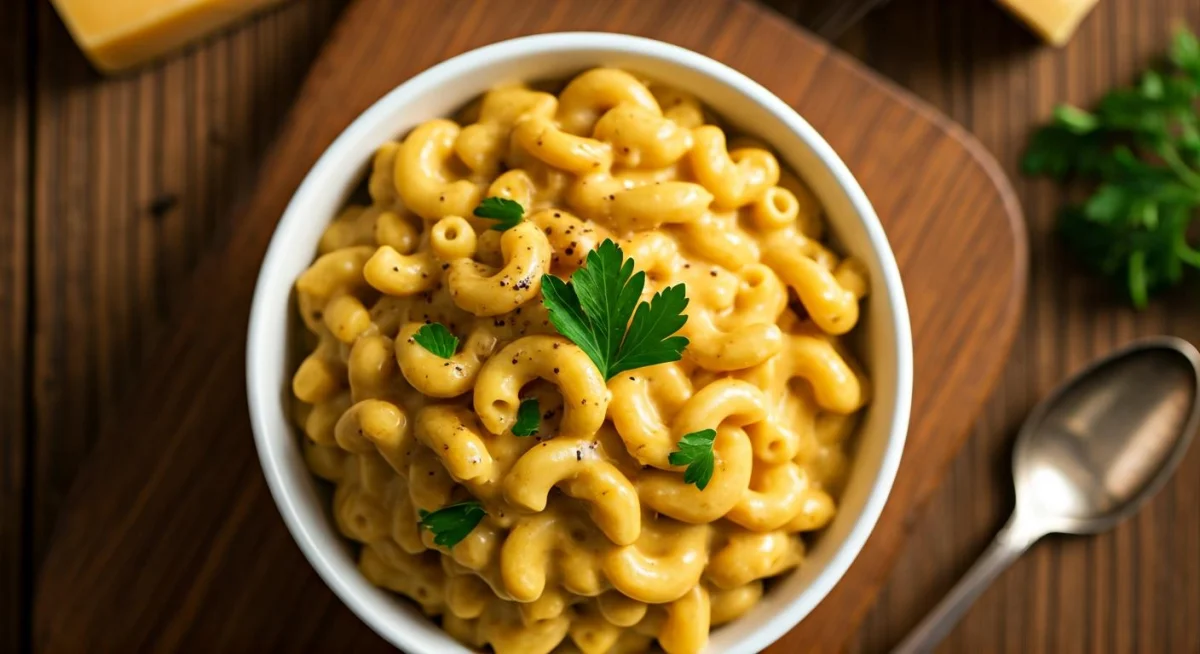
If you’ve been searching for a protein mac and cheese recipe that bridges the gap between nostalgic comfort and nutritional excellence, you’re in for a treat. This isn’t just any pasta dish—it’s the sophisticated, protein-packed evolution of the childhood classic you’ve loved for decades. We’re about to show you how to create a protein mac and cheese that satisfies cravings while supporting your health goals.
Why This Protein Mac and Cheese Recipe Stands Out
The beauty of a modern protein mac and cheese recipe lies in its versatility and nutritional punch. Traditional versions rely on heavy cream and refined flour, but today’s approach combines legume-based pasta, creamy cheese sauces, and strategic protein additions to create something genuinely special. This elevated comfort food delivers the velvety texture you crave with 15+ grams of protein per serving—making it suitable for meal prep, family dinners, or solo indulgence.
Protein Mac and Cheese Recipe Card
| Prep Time | 10 minutes |
| Cook Time | 15 minutes |
| Total Time | 25 minutes |
| Servings | 4 servings |
| Difficulty Level | Easy to Intermediate |
| Estimated Calories | 380 calories per serving |
Ingredients for Protein Mac and Cheese
For the Pasta Base:
- 8 oz chickpea or lentil pasta (or whole wheat for traditional option)
- Salt for pasta water
For the Protein-Rich Cheese Sauce:
- 3 tablespoons unsalted butter
- 3 tablespoons all-purpose flour (or cornstarch for gluten-free)
- 1.5 cups whole milk
- ½ cup sharp cheddar cheese, shredded
- ½ cup gruyere cheese, shredded
- ¼ cup nutritional yeast (adds B vitamins and umami)
- 1 teaspoon Dijon mustard
- ½ teaspoon garlic powder
- ¼ teaspoon cayenne pepper
- ½ cup Greek yogurt (for protein boost)
- Salt and black pepper to taste
Optional Protein Additions:
- ½ cup cooked ground turkey or lean beef
- ½ cup white beans, drained and mashed
- 3 tablespoons plant-based protein powder (unflavored)
Vegan & Gluten-Free Substitutes:
- For dairy milk: Unsweetened oat or cashew milk
- For cheese: Nutritional yeast + cashew cream base
- For butter: Vegan butter or coconut oil
- For flour: Cornstarch or rice flour
- For Greek yogurt: Coconut yogurt or silken tofu
Step-by-Step Instructions for Perfect Protein Mac and Cheese
Step 1: Cook the Pasta
Bring a large pot of salted water to a rolling boil. Add your legume-based pasta and cook according to package directions (typically 8-10 minutes). The protein-enriched varieties cook slightly faster than traditional pasta. Reserve 1 cup of pasta water before draining—this starchy liquid is gold for adjusting sauce consistency. Drain and set aside.
Step 2: Create the Roux Base
In the same pot (no need to wash), melt butter over medium heat. Once foaming, whisk in flour continuously for 1-2 minutes, stirring constantly. This creates a roux that will thicken your sauce. You should see a light golden color and smell a nutty aroma—this indicates proper cooking.
Step 3: Build the Sauce
Gradually whisk in milk while maintaining medium heat, breaking up any lumps. Stir constantly for 3-4 minutes until the sauce thickens and coats the back of a spoon. This is your béchamel base—the foundation of restaurant-quality mac and cheese.
Step 4: Add Cheese and Seasonings
Remove from heat and stir in shredded cheddar and gruyere until completely melted. Add nutritional yeast, Dijon mustard, garlic powder, and cayenne pepper. The mustard enhances cheese flavor without adding tang, while the cayenne provides subtle heat that complements sharp cheddar beautifully.
Step 5: Incorporate Protein
Fold in Greek yogurt gently until fully incorporated—this adds creaminess and 20 grams of protein per serving. If using ground meat, add it now. For plant-based protein powder, whisk it in slowly to prevent lumps. The sauce should be silky and coat pasta generously.
Step 6: Combine and Adjust
Add cooked pasta back to the sauce and fold gently until every piece is coated. If the sauce seems too thick, add reserved pasta water one tablespoon at a time. Season with salt and black pepper to taste. The consistency should be creamy but not soupy.
Step 7: Serve Immediately
Transfer to serving bowls while hot. Optional toppings include crispy breadcrumbs, fresh parsley, or a crack of black pepper. This protein mac and cheese recipe is best enjoyed fresh, though leftovers keep for 3-4 days refrigerated.
Chef’s Pro Tips for Exceptional Protein Mac and Cheese
Pro Tip #1: The Cheese Selection Secret
Never use pre-shredded cheese for this protein mac and cheese recipe—the anti-caking agents prevent smooth melting. Block cheese shredded fresh creates an incomparably creamy sauce. Combine sharp cheddar (flavor) with gruyere (creaminess) for complexity that surpasses single-cheese versions. The combination creates a more sophisticated taste profile that elevates this comfort food beyond childhood memories.
Pro Tip #2: Temperature Control is Everything
Keep your heat at medium throughout the sauce-making process. High heat causes milk to scorch on the pan bottom, creating bitter flavors that ruin your dish. Medium heat allows gradual thickening and prevents cheese from becoming grainy. This patience-based approach is what separates mediocre from magnificent protein mac and cheese.
Pro Tip #3: Pasta Water is Liquid Gold
That starchy pasta water isn’t waste—it’s your secret weapon. The starch helps emulsify the sauce and creates better adhesion to pasta. If your sauce breaks or seems too thick, a splash of pasta water restores creaminess better than adding more milk, which dilutes flavor. Professional chefs always reserve it for this exact reason.
Frequently Asked Questions About Protein Mac and Cheese
Can I Make This Protein Mac and Cheese Recipe Ahead?
Yes! Prepare the sauce and cook pasta separately, then combine just before serving for best texture. You can also make the complete dish and reheat gently over low heat with a splash of milk stirred in. For meal prep, store in airtight containers for up to 4 days. Reheat in the oven at 350°F for 15-20 minutes, covered with foil, adding a bit of milk to restore creaminess.
What’s the Best Legume Pasta for This Recipe?
Chickpea pasta offers the highest protein content (14g per serving) and most neutral flavor, making it ideal for this protein mac and cheese recipe. Lentil pasta provides earthier notes and excellent nutrition. Red lentil pasta is milder than green varieties. All legume pastas cook slightly faster than wheat, so watch timing carefully. If you prefer traditional texture, whole wheat pasta works beautifully and pairs perfectly with the sauce.
How Do I Make This Completely Vegan?
Use oat milk instead of dairy, vegan butter instead of regular butter, and create a cashew cream base by blending soaked raw cashews with vegetable broth. Nutritional yeast becomes your primary cheese flavor—use up to ½ cup. Add miso paste (1 tablespoon) for umami depth that mimics aged cheese. Silken tofu replaces Greek yogurt for protein. This vegan version maintains the creamy, satisfying quality of traditional protein mac and cheese.
Elevate Your Comfort Food Game
This protein mac and cheese recipe represents the perfect intersection of nostalgia and nutrition. Whether you’re meal prepping for the week, hosting dinner guests, or simply craving sophisticated comfort food, this dish delivers on every front. The legume-based pasta provides sustained energy, the cheese sauce offers indulgence without guilt, and the protein additions ensure satisfaction that lasts.
For more elevated comfort food recipes, explore our collection of creamy pasta dishes with protein or discover our guide to nutritious cheese sauce variations. Your childhood favorite just got the glow-up it deserved—and your adult palate will thank you for it.