

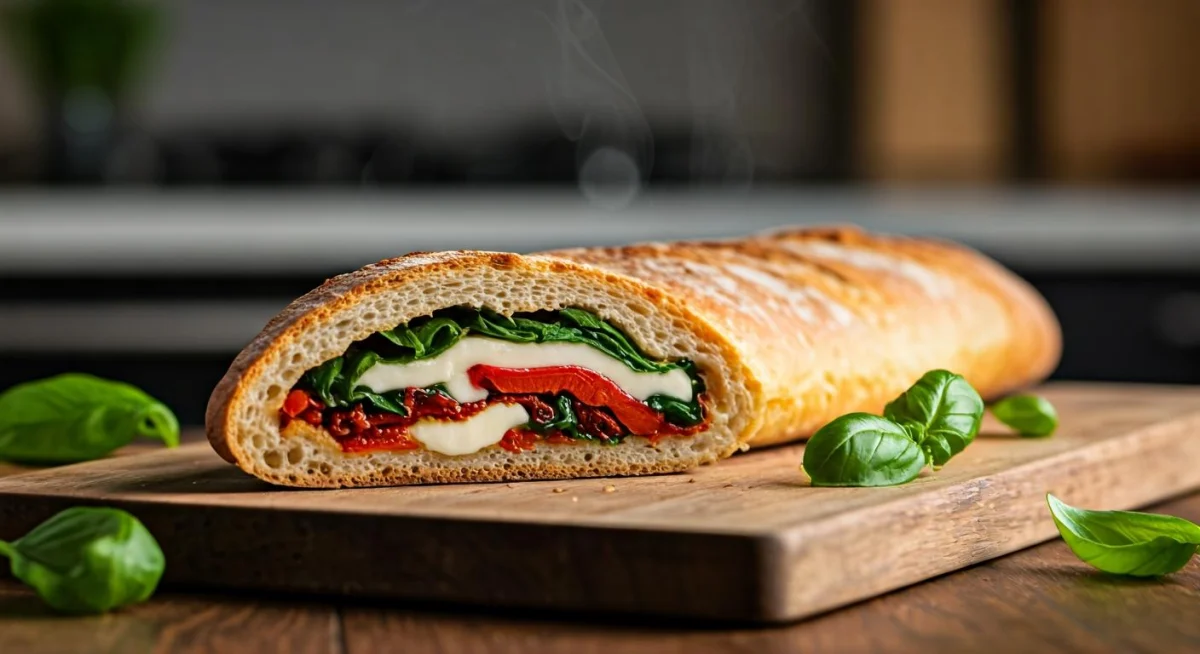
There’s something magical about a perfectly executed stuffed baguette – that moment when you slice into the crispy exterior and discover a delicious filling inside. But let me be honest with you: one innocent mistake and the whole thing falls apart. Whether it’s cutting the bread incorrectly, overstuffing, or choosing the wrong ingredients, there are plenty of ways this classic French-inspired dish can go wrong. That’s exactly why I’ve created this comprehensive guide to help you master the art of making a stuffed baguette that will impress everyone at your table.
What You Need to Know About Stuffed Baguette
A stuffed baguette is more than just bread and filling – it’s a culinary technique that requires precision, the right ingredients, and a bit of finesse. Whether you’re preparing it for a casual lunch, a dinner party, or meal prep, understanding the fundamentals will set you up for success. The key is balancing the structural integrity of the bread with flavorful, complementary fillings that won’t make it soggy or fall apart when you bite into it.
Recipe Card: Stuffed Baguette
Prep Time: 15 minutes
Cook Time: 25 minutes
Total Time: 40 minutes
Servings: 4-6 people
Difficulty Level: Intermediate
Estimated Calories: 320 per serving
Ingredients for Stuffed Baguette
Main Ingredients:
- 1 large fresh baguette (12-14 inches)
- 4 tablespoons unsalted butter, softened
- 3 cloves garlic, minced
- 2 cups mozzarella cheese, shredded
- 1 cup roasted red peppers, diced
- 1 cup fresh spinach, chopped
- ½ cup sun-dried tomatoes, chopped
- 2 tablespoons fresh basil, chopped
- 1 teaspoon Italian seasoning
- Salt and black pepper to taste
- 2 tablespoons olive oil
Vegan & Gluten-Free Substitutes:
- For the baguette: Use a gluten-free baguette or a sturdy gluten-free bread alternative
- For butter: Replace with vegan butter or coconut oil
- For mozzarella: Use dairy-free mozzarella or nutritional yeast mixed with cashew cream
- For sun-dried tomatoes: Substitute with fresh tomatoes or roasted cherry tomatoes
Step-by-Step Instructions for Perfect Stuffed Baguette
Step 1: Prepare Your Baguette
Using a sharp serrated knife, carefully slice your baguette in half lengthwise. This is where many people make their first mistake – cutting too aggressively or unevenly. Make smooth, confident cuts to avoid crushing the bread. Once halved, gently scoop out some of the interior crumb, leaving about ½-inch of bread on all sides to maintain structural integrity.
Step 2: Create the Garlic Butter Base
In a small bowl, combine softened butter with minced garlic, Italian seasoning, salt, and pepper. Mix until well combined. Using a pastry brush or the back of a spoon, spread this aromatic mixture evenly on both cut sides of the baguette. This creates a flavor foundation and helps prevent the bread from becoming soggy.
Step 3: Layer Your Filling
Start with a thin layer of roasted red peppers on the bottom half of the baguette. Next, add your chopped spinach, distributing it evenly. Then layer the sun-dried tomatoes, followed by the shredded mozzarella. The order matters – placing cheese on top helps it meld together when heated. Sprinkle fresh basil over the cheese layer.
Step 4: Seal and Prepare for Cooking
Carefully place the top half of the baguette back onto the filled bottom half, pressing gently to secure. Brush the exterior with olive oil and season with a pinch of salt and pepper. If your stuffed baguette is particularly long, you can cut it into 2-3 sections for easier handling and more even cooking.
Step 5: Bake to Perfection
Preheat your oven to 375°F (190°C). Place your stuffed baguette on a baking sheet lined with parchment paper. Bake for 20-25 minutes until the exterior is golden and crispy, and the cheese is melted and bubbly. You should hear a slight crackle when you tap the crust – this indicates proper crispness.
Step 6: Rest and Serve
Allow your stuffed baguette to rest for 3-5 minutes before slicing. This cooling period allows the filling to set slightly, preventing it from spilling out when you cut into it. Slice at a slight diagonal for an elegant presentation, and serve immediately while the bread is still warm and crispy.
Chef’s Pro Tips for Stuffed Baguette Success
Tip #1: Temperature Control is Everything
The most common mistake people make with stuffed baguette is baking it at too high a temperature. If your oven is too hot, the exterior will burn before the inside heats through and the cheese melts properly. Use an oven thermometer to ensure accuracy, and if your baguette is browning too quickly, tent it loosely with aluminum foil for the last 10 minutes of baking.
Tip #2: Don’t Overstuff – Less is More
This is the “innocent mistake” that ruins most stuffed baguette attempts. Overstuffing causes the filling to leak out during cooking, creates an uneven texture, and makes the bread difficult to hold and eat. Aim for about 1½ to 2 cups of filling for a standard baguette. The filling should be snug but not bursting out of the sides.
Tip #3: Choose Your Bread Wisely
Use a fresh baguette from a quality bakery, not a pre-packaged supermarket variety. Fresh bread has better structure and flavor. Avoid baguettes that are too soft or too stale – you want something with a sturdy crust and a slightly chewy interior. If you must use older bread, lightly brush the cut sides with water before adding your filling to refresh it slightly.
Creative Filling Variations for Stuffed Baguette
Once you’ve mastered the basic technique, experiment with these delicious variations:
- Italian Style: Prosciutto, fresh mozzarella, arugula, and pesto
- Mediterranean: Feta cheese, olives, cucumber, and tzatziki sauce
- Caprese: Fresh mozzarella, ripe tomatoes, fresh basil, and balsamic glaze
- Roasted Vegetable: Zucchini, eggplant, bell peppers, and goat cheese
- Chicken & Herb: Shredded rotisserie chicken, cream cheese, and fresh herbs
Frequently Asked Questions About Stuffed Baguette
Can I Prepare Stuffed Baguette in Advance?
Yes! You can assemble your stuffed baguette up to 4 hours ahead of time. Wrap it tightly in plastic wrap and refrigerate. When you’re ready to bake, add about 5-7 extra minutes to the cooking time since it will be cold. For longer storage (up to 24 hours), wrap it in both plastic wrap and aluminum foil to prevent the bread from drying out.
How Do I Prevent My Stuffed Baguette from Getting Soggy?
Sogginess is the enemy of a great stuffed baguette. To prevent this: (1) Don’t oversaturate your filling with wet ingredients like fresh tomatoes – pat them dry first, (2) Use the garlic butter base to create a moisture barrier, (3) Don’t add wet ingredients like marinara sauce directly to the bread, and (4) Bake at the correct temperature so the bread crisps rather than steams.
Can I Freeze Stuffed Baguette?
Absolutely! Assemble your stuffed baguette, wrap it securely in plastic wrap and then aluminum foil, and freeze for up to 2 months. To cook from frozen, place it directly in a preheated 375°F oven and add 10-15 minutes to the baking time. No need to thaw – baking from frozen actually helps the bread stay crispy on the outside while the inside heats through evenly.
Serving Suggestions for Stuffed Baguette
A stuffed baguette is a complete meal on its own, but it pairs wonderfully with complementary sides. Serve it alongside a fresh green salad dressed with vinaigrette, a hearty soup like minestrone or tomato bisque, or roasted vegetables. For a lighter option, pair it with a simple arugula salad and fresh fruit. If you’re serving at a party, cut it into smaller pieces for appetizers and pair with a light white wine like Pinot Grigio.
For more inspiration on bread-based dishes, check out our guide on homemade focaccia bread recipes and discover how to elevate your bread game even further.
The Science Behind Perfect Stuffed Baguette
Understanding the science helps you troubleshoot any issues. When you bake your stuffed baguette, the heat causes the moisture inside the bread to turn to steam, which creates that coveted crispy crust. The cheese melts and binds the filling together, while the bread’s starches gelatinize, creating structure. This is why temperature and timing are so critical – too much heat and the exterior burns; too little and the interior stays doughy.
The Maillard reaction (the browning process) is what gives your stuffed baguette that beautiful golden color and complex flavor. This reaction happens best between 300-330°F on the bread’s surface, which is why 375°F oven temperature is ideal – it heats the interior while allowing proper browning on the outside.
Troubleshooting Common Stuffed Baguette Problems
Problem: Filling is leaking out
Solution: You’ve likely overstuffed. Use less filling next time, and ensure the cheese layer is on top to act as a seal. Also make sure you’re pressing the two halves together firmly.
Problem: Bread is soggy instead of crispy
Solution: Your oven temperature might be too low, or you’re using wet fillings. Increase the temperature slightly, pat dry any wet ingredients, and use the garlic butter base as a moisture barrier.
Problem: Cheese isn’t melting properly
Solution: Make sure your cheese is shredded (not sliced) for better melting. Also ensure you’re baking long enough – 20-25 minutes is standard, but thicker baguettes may need a few extra minutes.
Problem: The bread is burning on the outside but cold inside
Solution: Your oven temperature is too high. Lower it to 350°F and extend the baking time by 5-10 minutes. Consider tenting with foil if browning too quickly.
Nutritional Information for Stuffed Baguette
Each serving of our classic stuffed baguette recipe provides approximately 320 calories, with 12g of protein, 18g of fat, and 28g of carbohydrates. The spinach and red peppers add valuable vitamins A and C, while the cheese provides calcium. To reduce calories, use part-skim mozzarella or reduce the cheese amount by 25%. For added protein, incorporate grilled chicken or turkey into your filling.
Looking for more cheese-based comfort food? Explore our collection of dinner recipes for your next gathering.
Final Thoughts on Mastering Stuffed Baguette
Making a perfect stuffed baguette is all about respecting the technique, understanding your ingredients, and avoiding that “one innocent mistake” that ruins the whole dish. With the guidance provided in this article, you now have everything you need to create a restaurant-quality stuffed baguette in your own kitchen.
Start with our classic recipe, master the technique, and then feel free to experiment with different fillings and flavor combinations. Each attempt will make you more confident and skilled. Before you know it, you’ll be impressing family and friends with your culinary prowess. Happy baking!