

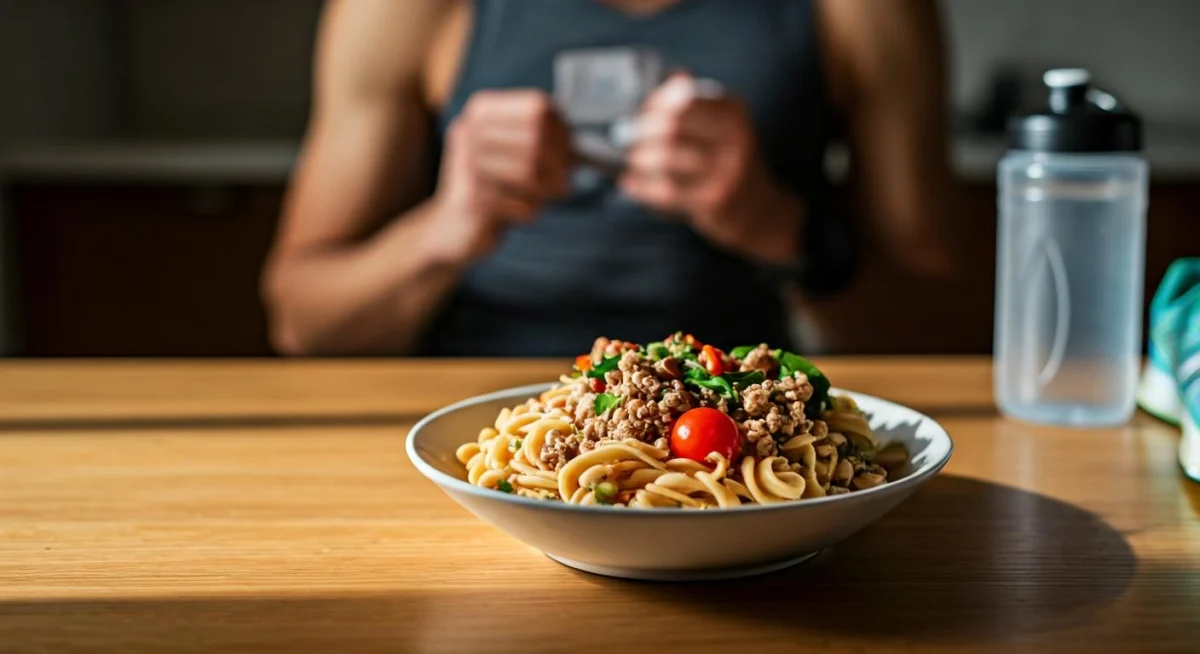
Marathon training demands more than just miles on the pavement—it requires strategic nutrition to keep your body energized and your spirit lifted. Marathon training comfort foods are the secret weapon many endurance athletes overlook, providing both the caloric fuel and emotional satisfaction needed during intense training weeks. Whether you’re preparing for your first marathon or your fifth, having a week of satisfying, nourishing meals can make the difference between dreading your training schedule and genuinely enjoying the journey.
Marathon Training Comfort Foods: Your Weekly Nutrition Blueprint
Marathon training comfort foods aren’t about indulgence—they’re about intelligent fueling. When you’re logging 40+ miles per week, your body needs meals that deliver sustained energy, support muscle recovery, and keep cravings at bay. The beauty of marathon training comfort foods is that they can be both delicious and performance-enhancing.
A well-planned week of marathon training comfort foods balances carbohydrates for glycogen replenishment, lean proteins for muscle repair, and healthy fats for sustained energy. Think hearty pasta dishes, warming soups, nourishing grain bowls, and satisfying breakfast options that fuel your morning runs without weighing you down.
Recipe Card: Athlete’s Power Pasta Bowl
| Prep Time: | 15 minutes |
| Cook Time: | 20 minutes |
| Servings: | 4 |
| Difficulty Level: | Easy |
| Estimated Calories: | 520 per serving |
Ingredients for Marathon Training Comfort Foods
- 1 pound whole wheat pasta
- 2 tablespoons olive oil
- 1 pound lean ground turkey
- 1 large onion, diced
- 4 cloves garlic, minced
- 2 cups cherry tomatoes, halved
- 1 cup spinach, fresh
- 1 cup mushrooms, sliced
- 1 cup low-sodium vegetable broth
- 2 tablespoons tomato paste
- 1 teaspoon dried oregano
- Salt and pepper to taste
- ¼ cup fresh basil, chopped
- Parmesan cheese for topping
Vegan Substitutes: Replace ground turkey with lentil bolognese or crumbled extra-firm tofu. Use nutritional yeast instead of Parmesan.
Gluten-Free Options: Substitute whole wheat pasta with chickpea pasta or brown rice pasta for equivalent protein and carbohydrate profiles.
Step-by-Step Instructions for Marathon Training Comfort Foods
- Cook the Pasta: Bring a large pot of salted water to a rolling boil. Add whole wheat pasta and cook according to package directions until al dente (typically 10-12 minutes). Drain and set aside, reserving ½ cup pasta water.
- Brown the Protein: Heat olive oil in a large skillet over medium-high heat. Add ground turkey and cook for 5-7 minutes, breaking it apart with a spoon, until no pink remains. Drain excess fat if needed.
- Build the Flavor Base: Add diced onion to the turkey and sauté for 3 minutes until softened. Stir in minced garlic and cook for 30 seconds until fragrant.
- Add the Vegetables: Incorporate sliced mushrooms and cook for 2 minutes. Add tomato paste and stir constantly for 1 minute to caramelize slightly.
- Create the Sauce: Pour in vegetable broth and add dried oregano. Stir well to combine. Bring to a simmer and cook for 5 minutes, allowing flavors to meld.
- Finish with Greens: Add fresh spinach and cherry tomatoes, stirring until spinach wilts (about 1-2 minutes). Season with salt and pepper to taste.
- Combine and Serve: Add cooked pasta to the skillet and toss well. If the mixture seems dry, add reserved pasta water a little at a time until you reach desired consistency. Top with fresh basil and Parmesan cheese.
Chef’s Pro Tips for Perfect Marathon Training Comfort Foods
Tip #1 – Meal Prep Strategy: Prepare this dish in batches at the beginning of your training week. Marathon training comfort foods taste even better the next day as flavors continue to develop. Store in glass containers for up to 4 days, and reheat gently with a splash of broth to restore moisture.
Tip #2 – Timing is Everything: Consume this marathon training comfort food 2-3 hours before long runs for optimal digestion, or within 30 minutes post-run for maximum recovery benefit. The carbohydrate-to-protein ratio (approximately 2:1) is specifically designed for endurance athletes.
Tip #3 – Customize for Your Palate: Marathon training comfort foods should excite you. Swap proteins based on preference (chicken, salmon, or plant-based alternatives), adjust vegetable ratios, or add heat with red pepper flakes. The foundation works with countless variations, so make it authentically yours.
FAQ: Marathon Training Comfort Foods Questions
Q: How many calories should I consume during marathon training?
A: Most marathon runners require 2,500-3,500+ calories daily, depending on body weight, intensity, and mileage. Marathon training comfort foods like this pasta dish (520 calories per serving) should be part of a balanced daily intake. Consult a sports nutritionist for personalized recommendations based on your specific training plan.
Q: Can I eat marathon training comfort foods the night before a long run?
A: Absolutely! Consuming familiar, comforting carbohydrate-rich meals the evening before long runs helps top off glycogen stores. Avoid high-fat or high-fiber versions if you have a sensitive stomach, and finish eating at least 2-3 hours before bedtime.
Q: What makes marathon training comfort foods different from regular meals?
A: Marathon training comfort foods prioritize quick carbohydrate absorption, adequate protein for muscle repair, and psychological satisfaction. They’re designed to be easily digestible, nutrient-dense, and emotionally rewarding—crucial factors when your body is under the stress of high-mileage training.
For more marathon nutrition strategies, check out our guide on pre-race meal planning for endurance athletes and discover how to fuel your training with high-performance recovery breakfast ideas.
Marathon training comfort foods are your partner in achieving your distance goals. This week-long approach to nutrition ensures your body receives consistent, satisfying fuel while your mind stays motivated and engaged with your training journey. Start this week, adjust to your preferences, and watch how proper nutrition transforms your marathon preparation experience.